
For Healthcare Professionals

EASEE® Animation Video
Benefits of EASEE®
Despite modern anti-seizure medications, approximately one third of people with focal epilepsy do not achieve adequate seizure control. Existing alternatives — from additional medications to vagus nerve stimulation and resection — are not suitable or sufficiently effective for all patients. The result: persistent seizures, reduced quality of life, and a daily life marked by uncertainty. EASEE® offers a new therapeutic option.
Minimally invasive. Close to the focus.
EASEE® is not placed in the brain but subcutaneously on the skull — individually positioned directly above the epileptic focus. From there, EASEE® precisely modulates the activity of the epileptic network. The epicranial approach is significantly less invasive than conventional neurosurgical procedures or other systems — a decisive advantage for patients for whom an intracranial intervention was previously not an option.
Clinically proven. Measurably effective.
The efficacy of EASEE® is supported by study data: after 24 months, the data show a median seizure reduction of 68%, with a responder rate of 65.4%. In the final month of the 24-month observation period, 23% of patients were seizure-free. EASEE® demonstrated a well-tolerated safety profile — no serious therapy-related adverse events were observed. Robust evidence for a therapeutic option that can be considered earlier than expected.
MRI clean. Without compromise.
The EASEE® system is MRI conditional at 1.5 and 3 Tesla, including in close proximity to the implant. Diagnostically relevant brain structures remain clearly assessable and artefacts are minimised. Neurological diagnostics therefore remain possible after implantation — a decisive advantage in everyday clinical practice.
Reversible. Patient-specific.
The EASEE® therapy is individually adjustable and fully reversible. The system can be adapted, deactivated, or even completely removed as needed, without leaving permanent changes to the brain. The epicranial approach keeps the therapeutic decision open and flexible — an important consideration particularly in conditions with a variable course, such as focal epilepsy.
Discover our HCP Area
Studies, brochures, and webinars on focal epicranial cortical stimulation with EASEE® — all in one place and accessible anytime. Would you like to connect personally? Direct contact with your regional Sales Partner is just one click away. Access is simple and secure using your existing DocCheck login — no additional registration required.
The EASEE® System
Placement of EASEE®
A thin, flexible electrode is implanted subgaleally. Using a tunneling device, the connecting cable is guided subcutaneously down to the chest area, where it is connected to the pulse generator placed under the skin. This requires two small incisions in total.


Ultra-thin, implantable pseudo-Laplace electrode
The innovative electrode arrangement of the EASEE® lead enables focused stimulation of the brain — without touching it.
A so-called Laplace electrode makes it possible to generate fields and current flows perpendicular to the plane of the array. In the EASEE® system, the outer ring-shaped electrode is replaced by four individual electrodes in order to adapt the orientation of the resulting electric field to spatially varying resistances. This allows significant current flows to be achieved at the brain surface and in deeper structures — similar to more invasive procedures.
Implantable Pulse Generator (IPG)
The EASEE® Power IPG is designed for patient-specific therapy and precisely and safely controls two combinable stimulation patterns: HFS (high-frequency stimulation) to interrupt seizures and DLS (DC-like cathodal stimulation) for neuromodulation. Personalizable parameters and integrated safety mechanisms support flexible, evidence-based, and safe neurostimulation.


Therapy that adapts to the person
The configuration of the stimulation patterns has a decisive influence on therapeutic success. EASEE® makes it possible to adjust stimulation parameters non-invasively from outside — individually tailored to the person affected. In addition, if they experience an aura, patients can trigger targeted stimulation themselves via remote control, allowing them to actively participate in their therapy.
How EASEE® works
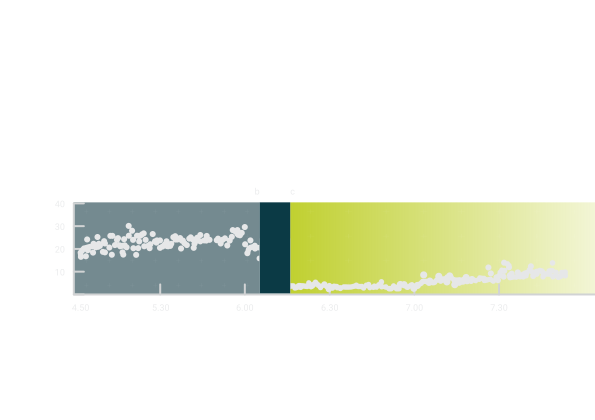
DC-like Mode of Action (DLS)
The DC-like cathodal stimulation (DLS) of the EASEE® system enables long-term inhibition at the epileptic focus. It reduces cortical excitability of the epileptic network through hyperpolarisation. Its goal: a long-term reduction in seizure frequency in drug-resistant focal epilepsy.
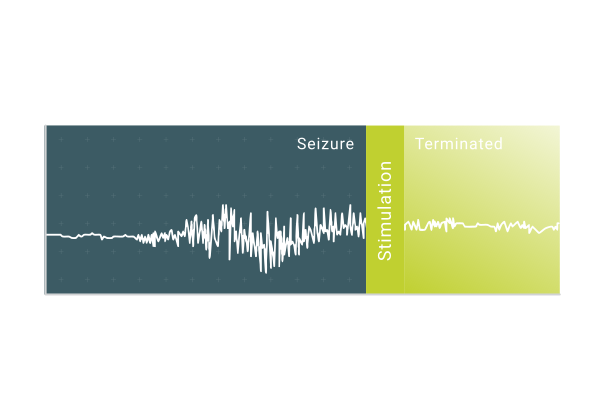
HFS Mode of Action
High-frequency stimulation enables the acute interruption of incoming epileptic seizures by immediately suppressing pathological neuronal activity. With EASEE®, you combine long-term neuromodulation with acute seizure interruption.
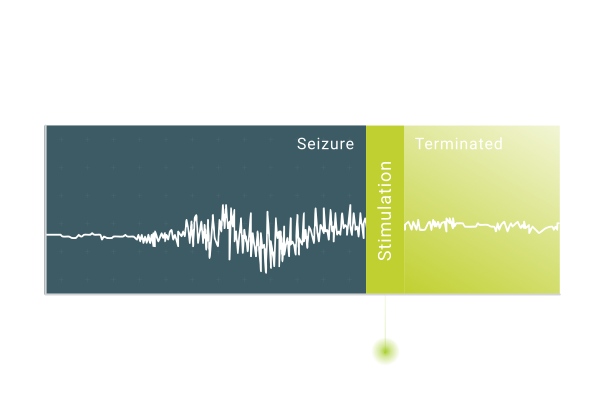
PCN Mode of Action
With Patient Controlled Neurostimulation (PCN), you enable your patients to trigger on-demand additional stimulation: they can initiate a burst themselves, for example during an aura. For you as the treating clinician, this means individualised therapy supplementation within a clearly defined neurostimulative framework.
Study Results
Proven Efficacy over 2 Years
As a treating clinician, you need robust long-term results: after 24 months, 65.4% of patients achieved a ≥50% reduction in seizure frequency. Almost one in three patients achieved a seizure reduction of ≥90% after 24 months. In the final month of the 24-month observation period, 23% of patients were seizure-free. This high responder rate confirms the sustained efficacy of EASEE® in drug-resistant focal epilepsy.
EASEE® also demonstrated a well-tolerated safety profile — no serious therapy-related adverse events were observed.1
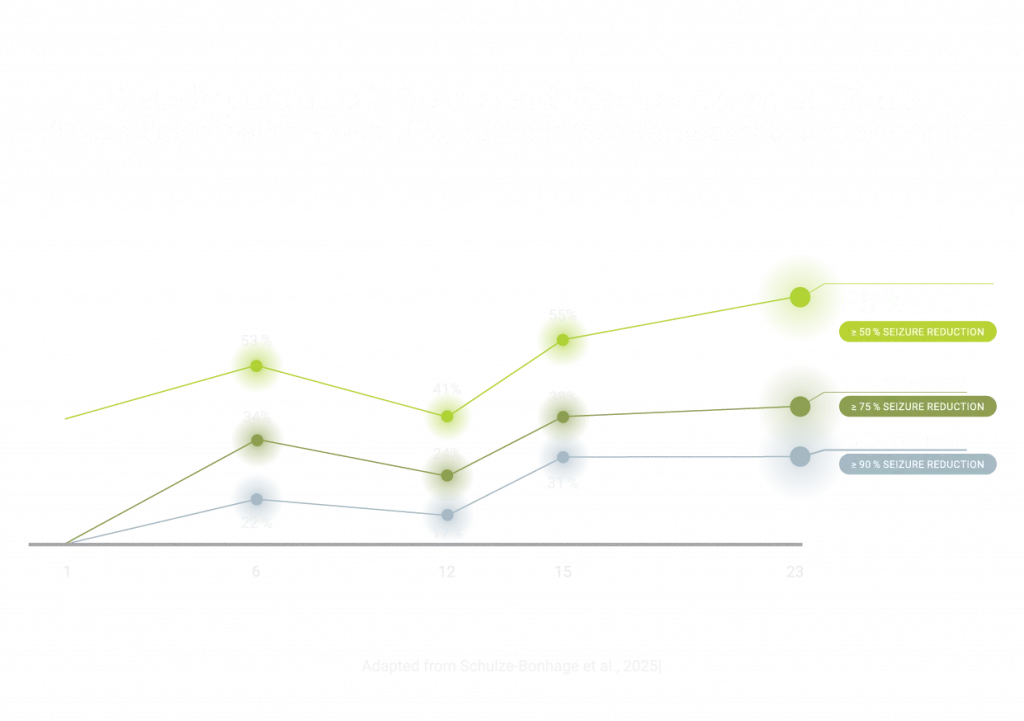
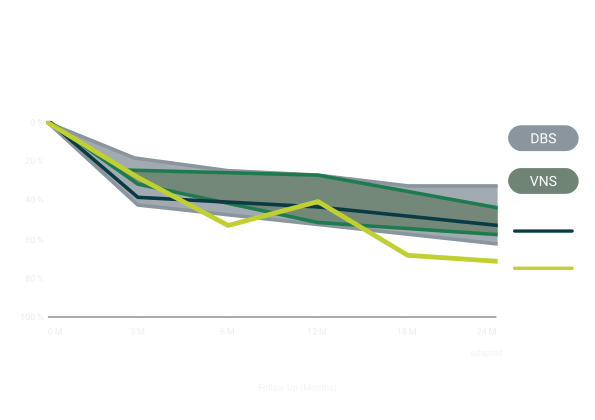
Sustained Seizure Reduction over Time
The study data demonstrate not only early effects, but continuous improvement over time: after 2 years, a median seizure reduction of 68% was achieved — indicative of long-term neuromodulation rather than short-term effects.1, 2
High Therapy Retention Reflects Tolerability and Acceptance
Four out of five patients continued EASEE® therapy through at least the 2-year follow-up — despite the necessary pulse generator replacement in the second year. 1
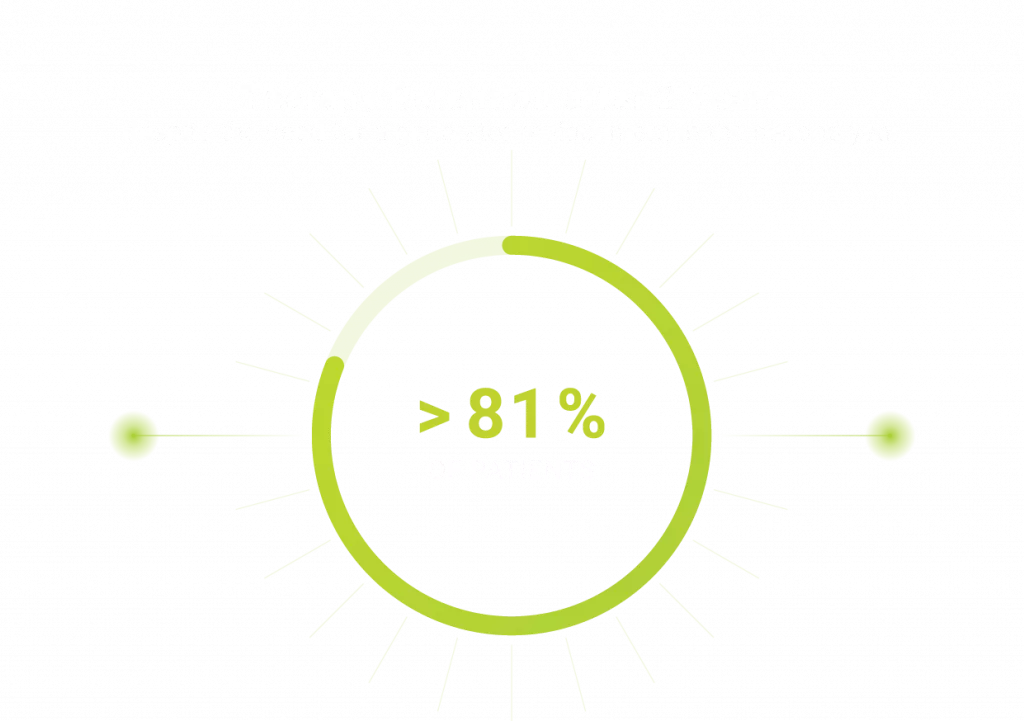
*EASEE® now has a battery life of at least 3 years.
More than just Seizure Control
Beyond reductions in seizure frequency, the study data show positive effects on quality of life, mood, and neurocognition. Neurocognitive performance improved significantly (EpiTrack®), while emotional stability was maintained throughout the study period.1

Discover our HCP Area
Studies, brochures, and webinars on focal epicranial cortical stimulation with EASEE® — all in one place and accessible anytime. Would you like to connect personally? Direct contact with your regional Sales Partner is just one click away. Access is simple and secure using your existing DocCheck login — no additional registration required.
Studies
EASEE II – First-in-Human Study Launch
2019
Completed
EASEE II was a prospective, multicenter study in which adults with drug-resistant focal epilepsy received the newly developed EASEE® system. The study evaluated the safety, tolerability, and effectiveness of the stimulation.
PIMIDES I – Second Study Launch
2020
Completed
PIMIDES I was the second prospective, multicenter study in which adults with epilepsy were treated with the EASEE® system. In addition to continuous stimulation, patients were able to trigger an on-demand stimulation bolus whenever needed.
EASEE4YOU – Pivotal Study Launch for Adolescents
2023
Ongoing
The EASEE4YOU study is evaluating the safety and effectiveness of EASEE® in adolescents aged 12–17 years with epilepsy as a new treatment option for drug-resistant focal epilepsy. With the completion of patient enrollment in early 2026, an important milestone was reached on the path toward approval of EASEE® for children aged 12 years and older. Initial results are expected in 2027.
EASEE-LEE
2023
Ongoing
The international long-term registry study EASEE-LEE is monitoring the safety and effectiveness of EASEE® in patients with epilepsy for up to five years.
EASEE-PEARL – German Registry Study Launch
2024
Ongoing
The EASEE-PEARL registry study collects real-world data on the EASEE® system in Germany and follows people with epilepsy over a period of three years.
BRAIN-MEP – European Study on Treatment Response Prediction Launch
2024
Ongoing
This multicenter project led by the University Medical Center Freiburg aims to improve the prediction of treatment response to EASEE® by analyzing retrospective and prospective data using statistical methods and machine learning.
EASEE4US – U.S. Pivotal Trial Launch
2026
In Preparation
The U.S. Food and Drug Administration (FDA) has approved the conduct of a randomized, double-blind pivotal trial involving approximately 200 people with epilepsy. The study is planned to begin in the second quarter of 2026.
What Clinicians say

Prof. Dr. med. Andreas Schulze-Bonhage
Head of the Epilepsy Centre at the Neurocenter, University Medical Center Freiburg
Since the electrode does not need to be placed in the brain but is positioned directly beneath the scalp, the skull does not need to be opened. This means the procedure does not carry the risks associated with brain surgery, such as vascular injury or infection.
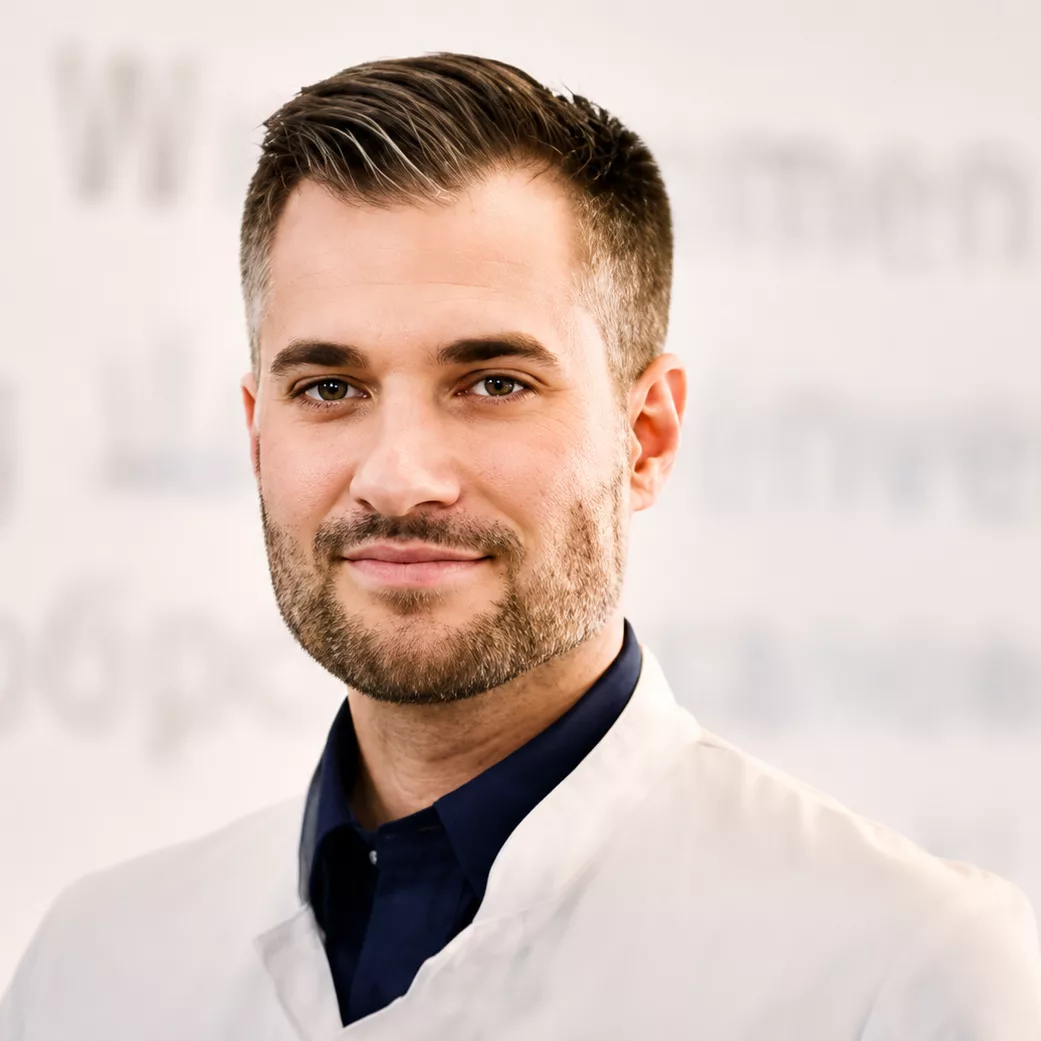
Dr. med. Peter Truckenmüller
Neurosurgeon and Senior Consultant at the Department of Neurosurgery, Charité Berlin
The ability to implant a fully epicranial system changes the risk-benefit assessment in preoperative counseling. In particular, the reversibility of the procedure as well as the possibility of straightforward explantation represent significant advantages from a neurosurgical perspective.

PD Dr. med. Elisabeth Kaufmann
Consultant Neurologist at the LMU Munich
The high number of implantations shows that there continue to be many patients with drug-resistant epilepsy who aren’t candidates for resection or don’t wish to undergo it, and who now have a new treatment option through EASEE. EASEE represents a valuable addition to the therapeutic spectrum.
MRI Guidelines
Sources
1 Schulze-Bonhage et al., Epilepsia 2025
2 Schulze-Bonhage et al., Epilepsy & Behavior 2025